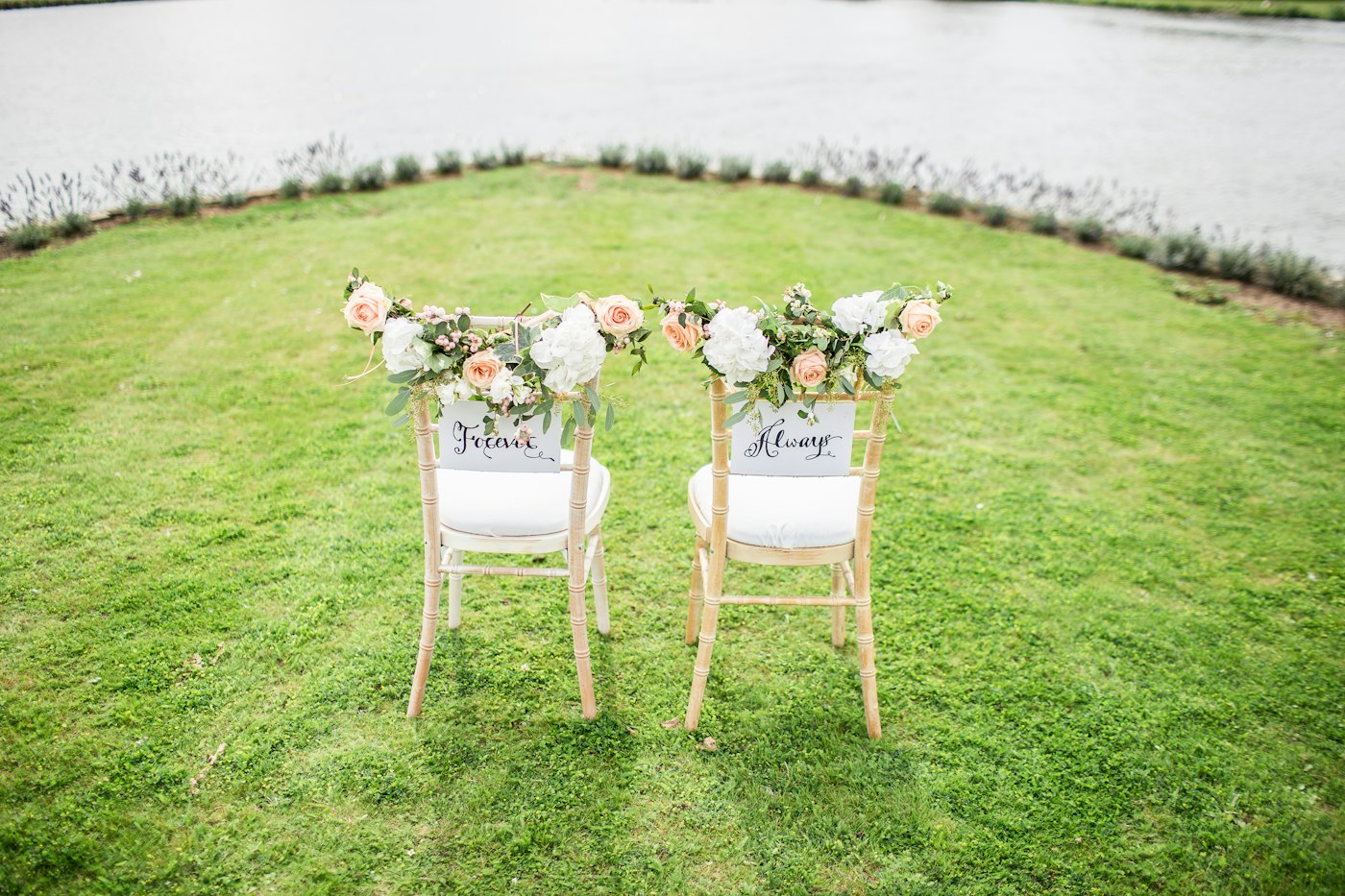
Dubai is arguably the world's most multilingual wedding destination. Where else can a couple from Beirut and Mumbai marry in a ceremony attended by Filipino colleagues, British friends, Emirati neighbours, and Pakistani in-laws — all expecting to understand what's happening? Multilingual ceremonies aren't just possible in Dubai; they're increasingly the norm, and when done well, they're among the most moving wedding experiences imaginable.
This guide covers how to structure a bilingual or multilingual ceremony, which language combinations work best, how to find the right officiants, and practical tips for making every guest feel included.
Dubai Fact: Dubai's population speaks over 200 languages. The most common languages spoken at weddings are Arabic, English, Hindi/Urdu, Tagalog, and Malayalam. A well-planned bilingual ceremony can genuinely unite families who might otherwise feel like observers.
Find vendors for your event:
Most Common Language Combinations in Dubai Weddings
| Language Combination | Common Wedding Type | Structure Tip |
|---|---|---|
| Arabic + English | Emirati/Gulf Arab + Western expat couples or families | Alternate sections; Arabic for family-facing moments, English for vows |
| Hindi/Urdu + English | Indian/Pakistani + Western or expat couples | Ceremony in English with Hindi blessings/prayers for parents |
| Tagalog + English | Filipino + any nationality | Church liturgy in English; personal vows in Tagalog for family connection |
| Arabic + French | Lebanese, Moroccan, or North African couples | Equal sections; elegant and musical combination |
| Hindi + Arabic + English | Indian Muslim couples with mixed guest lists | Three-language ceremony — requires skilled officiant; use order of service cards |
| Malayalam + English | Keralite Christian couples in Dubai | Church service in Malayalam; vows or readings in English for non-Malayalam guests |
Planning an Event in Dubai?
Get Free Quotes from Verified Dubai Vendors
2,400+ venues, caterers, photographers & more. Compare quotes and book with confidence. Free, no commitment.
Get Free Quotes in 2 Minutes →🔒 Free. No commitment. Vendors reply within 24 hours.
How to Structure a Bilingual Ceremony
There are three main approaches to bilingual ceremonies — each with different strengths:
Approach 1: Alternating Language Blocks
The officiant conducts each section of the ceremony twice — once in Language A, once in Language B. This is thorough but can feel repetitive and lengthen the ceremony significantly. Best for smaller weddings (under 80 guests) where intimacy is valued over pacing.
Approach 2: Parallel Live Interpretation
A designated bilingual family member or professional interpreter translates simultaneously (or shortly after each sentence) in real time. More fluid but requires a confident bilingual interpreter and a discreet setup (ear device or whispered translation).
Approach 3: Divided Sections by Language
Different parts of the ceremony are assigned to different languages. For example: welcome and opening in English, blessings and family prayers in Arabic, vows in both languages, ring exchange and closure in English. This is the most elegant and recommended approach for most Dubai couples.
Order of Service Cards
Provide bilingual printed order of service cards. Guests can follow along even when a section is in a language they don't speak. QR-linked digital versions work well too.
Bilingual Emcee
For receptions, a bilingual emcee (Arabic/English or Hindi/English) ensures all guests follow the programme — speeches, timings, games, and announcements.
Music in Both Cultures
Include musical moments that represent both cultural traditions — e.g. a Western processional hymn AND an Arabic zaffa entrance, or a Bollywood song AND a contemporary English ballad.
Readings in Both Languages
Assign readings to family members in their native language. A Quranic verse read in Arabic, a Psalm in English, a poem in Hindi — each family feels honoured and included.
Key Wedding Phrases in Dubai's Major Languages
Essential Wedding Phrases
Finding a Multilingual Officiant in Dubai
The right officiant is the most important element of a multilingual ceremony. Here's what to look for:
- Religious officiants — for Christian marriages, priests at St. Mary's, Holy Trinity, and other Dubai churches often speak Arabic, English, and local Indian languages
- Dubai Courts officiants — civil ceremonies are conducted in Arabic by a court-appointed official; you can have a personal bilingual ceremony conducted separately
- Independent celebrants — several certified celebrants in Dubai specialise in bilingual ceremonies. Many speak English + Arabic, English + Hindi, or English + French
- Pandit / Hindu priest — for Indian ceremonies, several Dubai-based pandits perform rituals in Sanskrit, Hindi, and English for multicultural guests
- Islamic scholar / Imam — nikah ceremonies are conducted in Arabic; a bilingual imam can provide English context or translate for non-Arabic guests
Multilingual Reception Tips
- Bilingual menus — print menus in both languages; this is a small but meaningful gesture guests notice
- Multilingual table cards — consider name cards in both scripts (e.g. English and Arabic calligraphy)
- Speeches in multiple languages — encourage family members to give toasts or speeches in their native language, with a brief English summary following
- Music that crosses cultures — a good DJ at a multilingual Dubai wedding plays Arabic pop, Bollywood, Western hits, and OPM over the course of the night
- Signage and stationery — even small details like directional signage and welcome boards in two or three languages show thought and care
Expert Tips for Multilingual Ceremonies
- Rehearse the bilingual flow — practise your ceremony at least once with the full bilingual script so timing feels natural
- Cap total ceremony length at 45 minutes — a bilingual ceremony tends to run longer; plan tightly so guests remain engaged
- Pre-circulate the order of service — share the printed programme with close family in advance so they know when to expect their language sections
- Brief family members in advance — parents and key family who may not understand both languages should be briefed on key ceremony moments
- Use visual symbols to transcend language — ring exchange, unity candle, sand ceremony, and cord ceremony are universal visual rituals that communicate without words
- Hire a professional Arabic calligrapher — for Arabic-English weddings, a calligraphy station where guests' names are written in Arabic script is a beautiful and shareable experience
Find Bilingual Wedding Vendors in Dubai
Looking for bilingual officiants, multilingual emcees, calligraphers, or wedding planners experienced in multicultural ceremonies? Browse verified vendors on eventifydubai.
📬 Get Event Planning Tips
Weekly Dubai event inspiration, venue spotlights & vendor guides. Free.