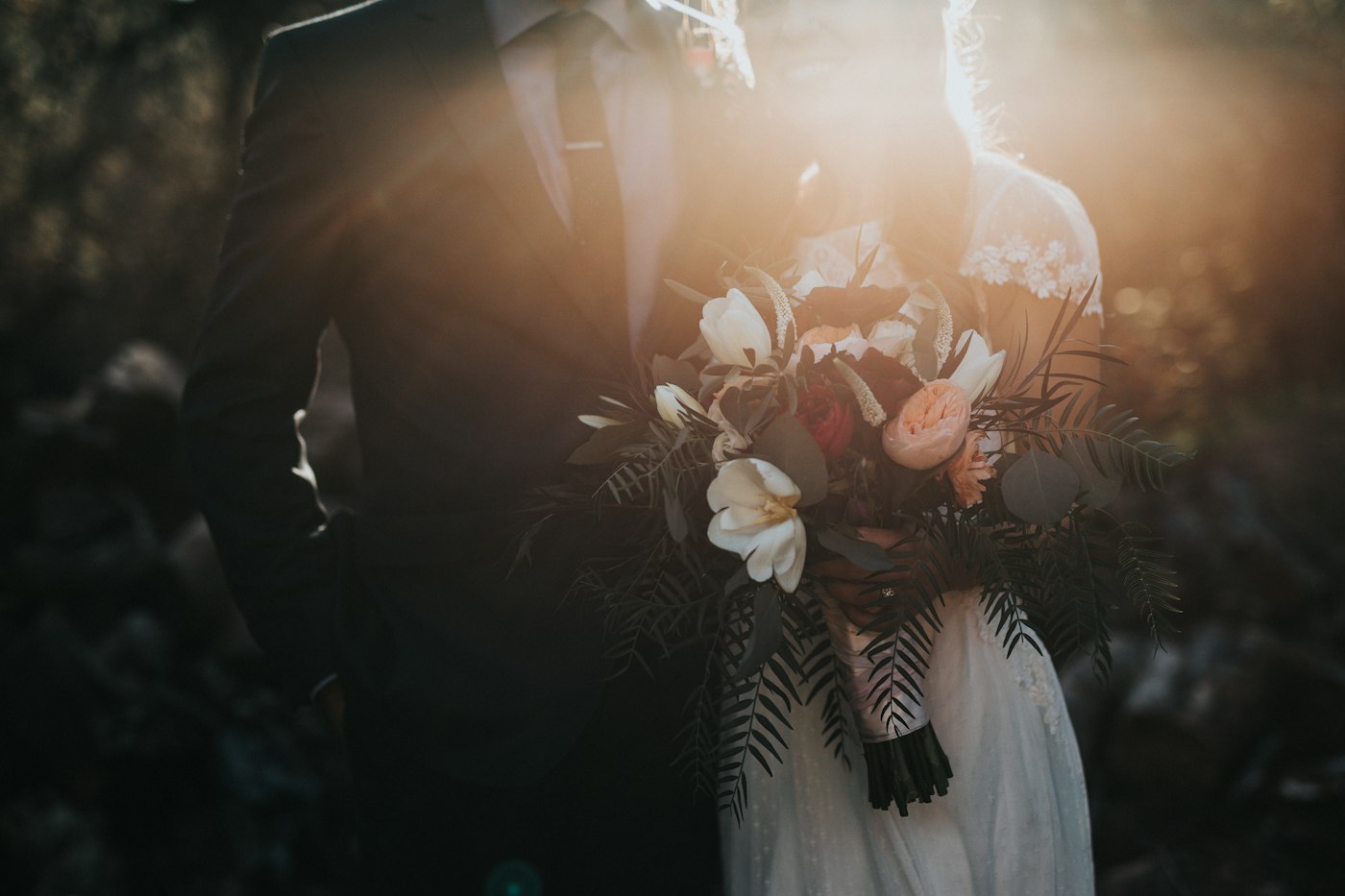
The nikah — the Islamic marriage contract — is among the most sacred ceremonies in the lives of Muslim couples across the UAE. Whether you're planning an intimate family gathering in a Deira mosque or a grand farah reception at Atlantis The Royal, the nikah forms the spiritual and legal foundation of every Muslim wedding in Dubai.
This guide covers everything: the UAE legal requirements, the UAE Courts registration process, the spiritual traditions behind each element, venue options from classic mosque to luxury hotel, and a full cost breakdown in AED for 2025.
UAE Legal Requirements for Nikah
In the UAE, a nikah performed outside of official legal registration is not recognised as a civil marriage. To be legally binding under UAE law, the nikah must be registered with the UAE Personal Status Courts (or the relevant emirate's court). Here is the step-by-step process for Dubai:
Documents Required
Original passports (both parties), Emirates IDs, birth certificates with apostille, divorce/death certificates if previously married, No Objection Letter from guardian (wali) if bride is non-Emirati.
Medical Certificate
Both parties must complete a premarital health screening at a licensed MOHAP health centre. Results are required before court submission. Cost: approximately AED 200–400 per person.
Court Registration
Submit documents at the Personal Status Court (Al Twar Centre or Bur Dubai Court). A licensed ma'dhoun (marriage officiant) performs the nikah contract. Government fee: AED 100–200.
Wali & Witnesses
A wali (male guardian, typically father or uncle of the bride) must be present. Two adult male Muslim witnesses are required. In some cases, the court can appoint a wali.
Mahr Agreement
The mahr (dowry/gift) amount — both prompt (muqaddam) and deferred (mu'akhkhar) — must be agreed and recorded in the nikah contract. This is a legal right of the bride.
Marriage Certificate
After signing, the court issues an official Arabic marriage certificate. Translated/attested copies are available for international recognition. Attestation costs: AED 150–300.
💡 Non-Muslim Residents Note
Non-Muslim expatriates cannot perform a nikah through UAE Courts. They must use their country's embassy, a civil ceremony at the Dubai Courts (non-Muslim civil marriage law introduced 2023), or a recognised symbolic ceremony. This guide focuses specifically on Islamic nikah for Muslim couples.
Documents Checklist for Non-Emirati Muslims
- Original passports + photocopies (both parties)
- UAE Emirates ID (if resident) or visit visa
- Birth certificates with UAE Ministry of Foreign Affairs attestation and official Arabic translation
- Premarital health screening certificates (from MOHAP-licensed centre)
- Previous divorce decree (if applicable) — attested and translated
- Death certificate of previous spouse (if applicable)
- Wali's passport and Emirates ID
- Two witnesses' passports and Emirates IDs
Planning an Event in Dubai?
Get Free Quotes from Verified Dubai Vendors
2,400+ venues, caterers, photographers & more. Compare quotes and book with confidence. Free, no commitment.
Get Free Quotes in 2 Minutes →🔒 Free. No commitment. Vendors reply within 24 hours.
The Ma'dhoun: Who Performs the Nikah
A ma'dhoun is an officially licensed Islamic marriage officiant, authorised by the UAE Ministry of Justice. Only a ma'dhoun can legally conduct a nikah in Dubai. They read the marriage contract (aqd), confirm consent from both parties, and oversee the formal acceptance (ijab wa qubul).
Many couples also choose to have a respected imam or family scholar offer a separate religious blessing — a beautiful tradition that complements the formal legal nikah. The ma'dhoun's services typically cost AED 500–1,500, depending on timing and travel. Court-appointed ma'dhoun services are included in the government fee.
The Spiritual Traditions of Nikah
Beyond the legal formalities, the nikah is a deeply spiritual and cultural celebration. Here are the key moments and their significance:
Ijab wa Qubul (Offer & Acceptance)
The central act of nikah — the groom offers marriage and the bride (or her wali) accepts. This exchange, in the presence of witnesses, is what legally and spiritually completes the marriage contract under Islamic law.
Mahr (Dowry / Gift)
The mahr is a mandatory gift from groom to bride — it can be money, jewellery, property, or any agreed item of value. A typical prompt mahr in Dubai ranges from AED 5,000 to AED 100,000+, though there is no set minimum.
Khutbat al-Nikah (Sermon)
The marriage sermon, typically delivered by the imam or ma'dhoun, covers the rights and responsibilities of both spouses in Islam. It includes Quranic verses and hadiths on marriage. Duration: 10–20 minutes.
Zaffa (Wedding Procession)
The zaffa is the festive procession of the groom (and sometimes the couple together) into the reception hall, led by drummers, mizmar players, and dancers. Common in Gulf Arab, Egyptian, and Levantine traditions. A spectacular visual centrepiece of the farah reception.
Walima (Reception Feast)
The walima is the celebratory feast that follows the nikah — an Islamic sunnah that announces the marriage to family and community. It can be held on the same day or within the following three days. Dubai walimas range from intimate dinners to grand banquets for 500+ guests.
Ghabga (Late-Night Gathering)
Particularly common during Ramadan, the ghabga is a late-night festive meal and gathering often hosted after the nikah. In non-Ramadan weddings, it refers to the late-evening dessert and Arabic coffee session that closes the farah reception.
Gulf Arab & Emirati Wedding Traditions
For Emirati and Gulf Arab families, the wedding is a multi-day celebration steeped in heritage:
- Laylat al-Henna (Henna Night): Held 1–3 nights before the farah, the henna night is a women-only gathering where intricate henna patterns are applied to the bride's hands and feet, accompanied by traditional music and dancing.
- Farah (Joy Night): The main celebration, typically held in a dedicated wedding hall or luxury hotel ballroom. Men and women often celebrate separately in traditional families, or together in more modern settings.
- Shabka (Engagement Jewellery): The groom presents gold jewellery (necklace, earrings, bracelet, ring set) to the bride at the engagement. Dubai gold souks in Deira are popular for sourcing shabka pieces.
- Kandura & Abaya: The Emirati groom wears a pristine white kandura, often with an embroidered bisht (ceremonial cloak) over it. The bride traditionally wears a red dress under her bridal abaya for henna night, changing to white for the farah.
- Traditional Food: Ouzi (whole roasted lamb over spiced rice), kabsa, harees, lugaimat (honey dumplings), and dates with Arabic coffee are centrepieces of the walima feast.
Nikah Ceremony Venues in Dubai
The nikah itself can be performed at the UAE Courts, a mosque, or any venue where the ma'dhoun officiates. The farah reception — the celebratory event — is where venue selection truly matters:
| Venue Type | Examples | Capacity | Hire Cost (AED) | Best For |
|---|---|---|---|---|
| Luxury Hotel Ballroom | Atlantis The Royal, Jumeirah Al Qasr, Burj Al Arab, InterContinental | 200–800 | 80,000 – 400,000+ | Grand farah receptions, luxury walimas |
| Desert Resort | Bab Al Shams, Al Marmoom, Al Hadheerah | 100–400 | 50,000 – 200,000 | Traditional outdoor nikah, cultural ambience |
| Hotel Garden / Beach | One&Only Royal Mirage, Jumeirah Beach Hotel, Sofitel The Palm | 100–300 | 40,000 – 180,000 | Outdoor ceremonies with garden backdrop |
| Dedicated Wedding Hall | Al Habtoor City, Crown Plaza, Fortune Grand | 200–600 | 15,000 – 60,000 | Value-focused receptions, family-style walimas |
| Mosque / Islamic Centre | Jumeirah Mosque, Mosque of Ibn Battuta, local community mosques | 20–100 | Free – 2,000 | Intimate, spiritual nikah ceremony only |
| Private Villa | Emirates Hills, Palm Jumeirah, Al Barari villas | 50–150 | 20,000 – 80,000 | Intimate, private family celebrations |
Full Nikah & Farah Cost Breakdown (AED)
Costs vary enormously depending on scale — from a simple family nikah with walima dinner to a multi-day grand farah with 500 guests. Here are three realistic budget tiers for Dubai in 2025:
| Cost Element | Intimate (50 guests) | Classic (150 guests) | Grand (300 guests) |
|---|---|---|---|
| Venue hire / F&B minimum | 20,000 – 35,000 | 60,000 – 120,000 | 150,000 – 350,000 |
| Catering (per person) | AED 150/pp = 7,500 | AED 200/pp = 30,000 | AED 250/pp = 75,000 |
| Decoration / flowers | 5,000 – 15,000 | 20,000 – 50,000 | 60,000 – 150,000 |
| Photography & videography | 6,000 – 12,000 | 12,000 – 25,000 | 25,000 – 50,000 |
| Entertainment (zaffa, oud, DJ) | 2,000 – 5,000 | 8,000 – 20,000 | 20,000 – 60,000 |
| Wedding dress / groom attire | 3,000 – 8,000 | 8,000 – 20,000 | 20,000 – 60,000 |
| Invitations / favours | 1,000 – 2,000 | 3,000 – 6,000 | 8,000 – 20,000 |
| Ma'dhoun + legal fees | 500 – 1,500 | 500 – 1,500 | 500 – 1,500 |
| Total Estimate (AED) | 45,000 – 78,500 | 141,500 – 272,500 | 358,500 – 766,500 |
Halal Catering for Nikah Events
All food served at Islamic wedding events must be halal. Dubai has 280+ halal-certified caterers on Eventify, ranging from traditional Gulf cuisine specialists to contemporary fusion menus. Key considerations:
- ESMA Certification: Look for caterers with UAE ESMA (Emirates Authority for Standardization and Metrology) halal certification. Not just "halal by practice" but formally certified.
- Traditional Gulf Menu Staples: Ouzi (whole roasted lamb), kabsa (spiced rice with meat), harees (wheat and meat porridge), jareesh, and fresh mezze. For dessert: umm ali, luqaimat, and kunafa.
- Arabic Coffee & Dates: An essential welcome for guests; traditionally served in small handleless cups (finjan) with Medjool dates.
- No Alcohol Required: All-halal catering events in Dubai do not require a liquor licence. This also significantly reduces venue costs at hotels.
Browse Arabic catering specialists on Eventify, or explore our Gulf Arab catering guide for full menu ideas and AED pricing.
Wedding Planners for Islamic Ceremonies
Many Dubai wedding planners have deep experience with Islamic wedding protocols — from coordinating with the ma'dhoun and court administration to managing separate reception spaces for traditional families. An experienced planner can save significant time and stress navigating the UAE Courts paperwork process.
Explore Arabic wedding planner profiles on Eventify, or read our guide to Gulf Arab wedding traditions for a deeper cultural overview.
Nikah During Ramadan
Nikah ceremonies during Ramadan are spiritually significant and relatively common in Dubai. Key differences to plan for:
- Walima receptions typically happen after iftar (sunset) — usually 8pm onwards.
- Food and music during daylight hours are not permitted at public venues.
- The ghabga (late-night gathering, 10pm–2am) is particularly popular as the main Ramadan wedding format.
- Court processing times may be slower during Ramadan; submit documents 3–4 weeks in advance.
- Venue costs can be lower during Ramadan at hotels as general bookings slow.
For more, see our full Ramadan events guide and Ramadan iftar event planning article.
Request Quotes for Your Nikah Ceremony
Tell us about your event and we'll connect you with venues, caterers, and planners who specialise in Islamic weddings across Dubai.
📬 Get Event Planning Tips
Weekly Dubai event inspiration, venue spotlights & vendor guides. Free.